Please drive carefully.
I will be honest about why Alabama. My marriage was on the rocks for years. Her father was an ER doctor in Mobile. I didn't want to go at first. I was hoping to go back to New York city from Brown in RI. I had a job offer and even an apartment pickeout in Manhattan where I wanted to stay in. The deadlines came closer on where to go after Brown and I compromised. I was hoping the move to Alabama will bring us closer together. We could take more trips togather and build the marriage after all the hardwork in the hospital for the previous 8 years. Before I started working in Alabama, we took a trip to South Africa and Bostwana. We left the kids with my parents. That trip was one of the best trips in my life. Animals, 4x4, great white sharks, Safari, you name it. Me and her fought every single day. She fought over everything. About the kids, about money, about how to donate to charity, about my parents helping too much with the kids. We fough so much and she left and flew home early. We also had nothing to talk about besides fighting. When she left, the trip got better. It was just me, my camers, and wild animals. I got back, started the job in Mobile and fell in love with the people in the hospital. I was a rock star and I stayed at work as long as could except when the boys were home and out of school. So Alabama was not my Choice. I was trying to salvage a relationship that was doomed. The other reason is that I was the only spinal oncology surgeon in the state of Alabama. There is a procedure that I co-developed and the number of surgeries I could perform, I am positive that no one else in the state could do. From a business practice stand point, it was a way to make a name for myself but that wasn't the main reason.
After the trip, I know the marriage is ending so I stayed busy at work. In the hospital, I was a different person. I am still the same of what you know about me, just a better version. Obviuosly, this place and this experience humbled me significantly. But the hospital was my playground. Not in an inappropriate way by any means. Just I was more confident and I believed I could do no wrong.
My New York medical license is on hold, my medical license lawyer told me that getting your Alabama medical license back should be easy since it was never revoked.
Going to Tennessee and paying more attention to the Ziebra is 100% you. Why didn't you want to buy a camel? Do you want one now....LOL?
That poor guy 😂 He showed up with a whole exotic auction catalog to impress you, and lost to a zebra. Brutal.
But honestly, $100 shy of a baby zebra? I can picture you hauling it home, Shiner and Maggie staring at it like ‘what is THAT,’?
I was reading my philosophy book today and it was the part aboit coincedence. One guy said there is no such a thing as coincidences, just the illusion of coincidences. I would love to hear your thought on this.
I am glad you are home safe.
From the MM:
I am glad that you asked him about Alabama. I tried to talk him out of going to Alabama but he insisted. I knew his marriage wouldn't last but I can only give advice. In fact, we were living in Germany at that time and had no ties to anywhere in the US. Of course, we wanted to be close to the grandchildren and this is why we also came to Alabama. Sometime I also think had he not moved to Alabama where would we have been now? I also believe that we only know the outcome of the decision that we made. There is no way of knowing what would have happened had he not moved to Alabama? Would he have salvaged his marriage? Would he have been in that crash? would he have been in prison now? Would he have met you? The answer to all of these is I do not know.
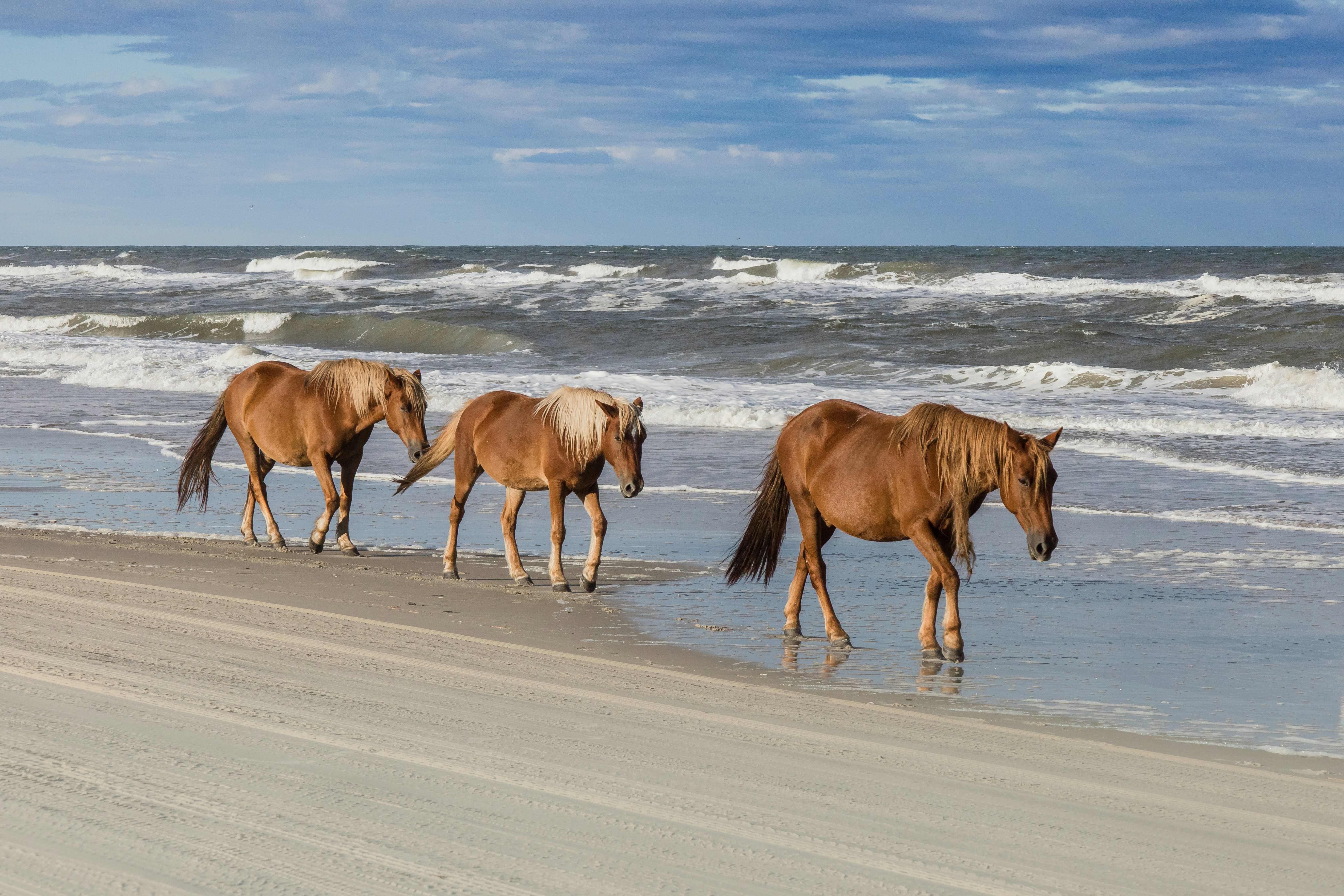
There is a Chines proverb about an old man lived near the frontier with his son. One day, his horse ran away. His neighbors came to comfort him, saying how unlucky he was. The old man replied, “How do you know this isn’t good fortune?”
A few months later, the horse returned, bringing a fine wild horse with it. The neighbors congratulated him on his good luck. He replied, “How do you know this isn’t misfortune?”
His son loved riding the new horse, but one day he fell and broke his leg, leaving him lame. The neighbors came again to say how unlucky that was. The old man said, “How do you know this isn’t good fortune?”
A year later, war broke out, and the young men of the village were drafted. Most of them died in battle. But because of his injured leg, the son was spared, and he and his father both survived.
We rarely know in the moment whether an event is good or bad. Something that looks like a disaster may lead to something good, and good fortune can bring trouble. Life unfolds in ways we can’t predict, so it’s wise not to judge events too quickly.
This is the only way I can cope with my son being sentenced for 25 years while others can only have probation for similar situation. I am sure something fortunate will come out of it.
Sorry for the long message but once in a while I like to interject one of my thoughts.
🐴 Come on, we know you have something to say. Do not be shy and do not be sketch. Slide into our comments box and tell us what's on your mind. 😉
About us
Under construction.
Services
Under construction.
Contact us
Under construction.
Send us a comment